
Chapter 24: Eugene O’Neill and the Weight of Where You Come From
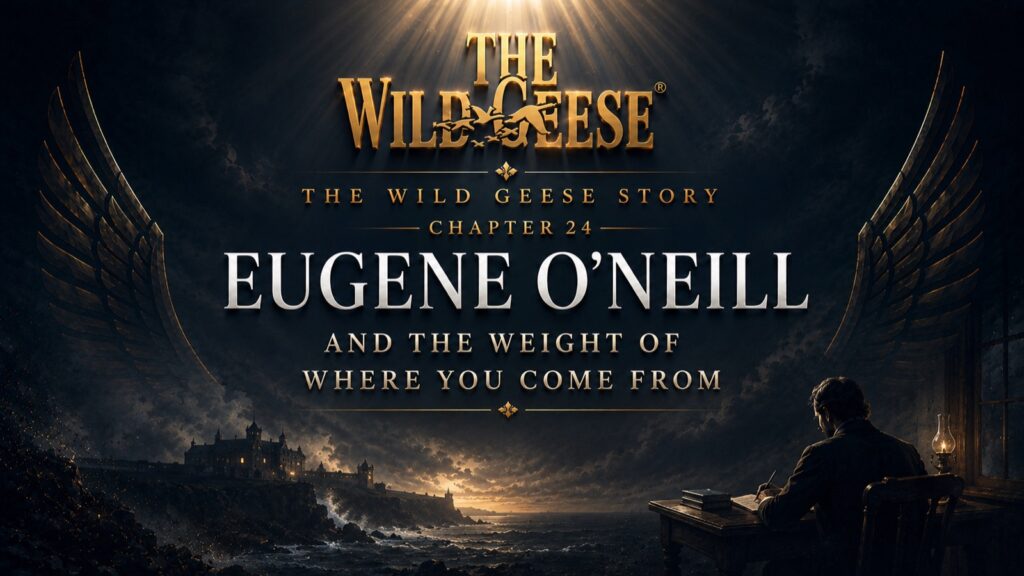
Eugene O’Neill turned his Irish-American family — the famous actor father, the morphine-dependent mother — into Long Day’s Journey into Night and four Pulitzer Prizes. The Irish do not have a simple relationship with what their fathers leave them.
Chapter 23: The Wild Geese in Spain — The Regiment That Kept the Name
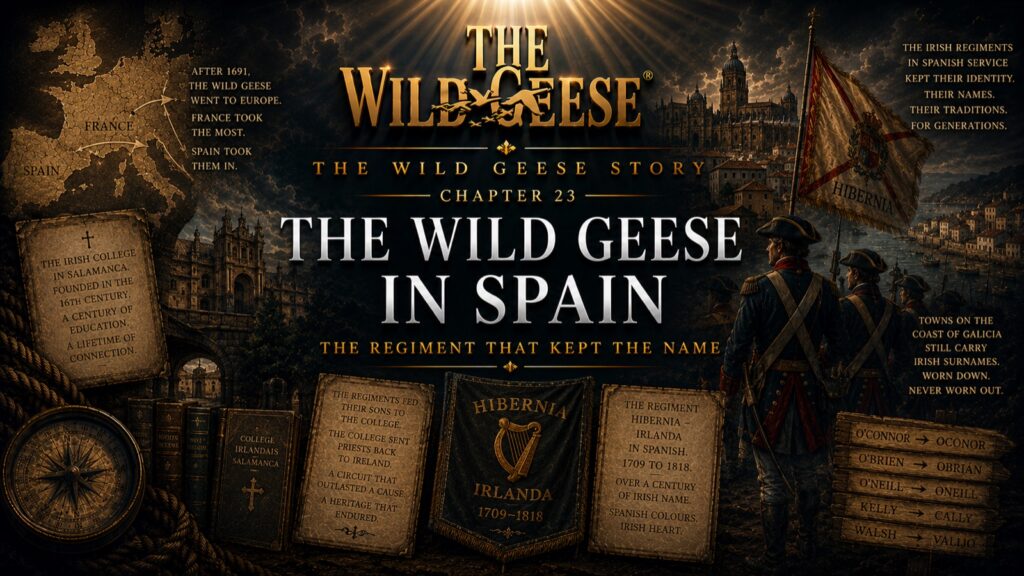
Spain took the Wild Geese in too. The regiment Hibernia kept an Irish name in Spanish colours from 1709 to 1818 — and on the coast of Galicia, Irish surnames worn down to Spanish phonetics survive to this day.
Chapter 22: The Irish Who Will Not Back Down
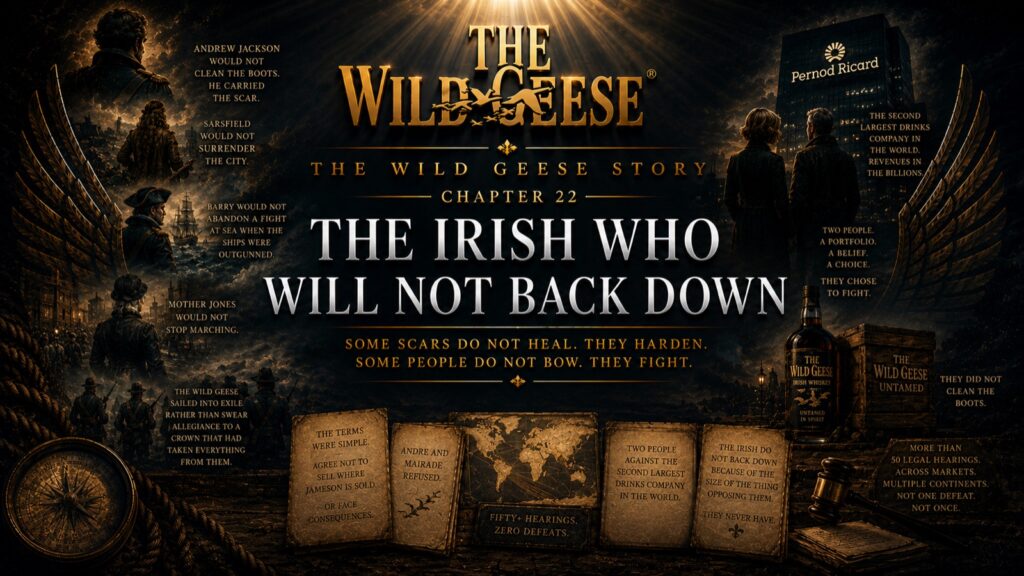
Jackson would not clean the boots. Sarsfield would not surrender the city. Mother Jones would not stop. When Pernod Ricard told Andre and Mairade to stand down, they did not clean the boots either. Fifty hearings. Not one defeat.
Chapter 21: Andrew Jackson — The First Irish President
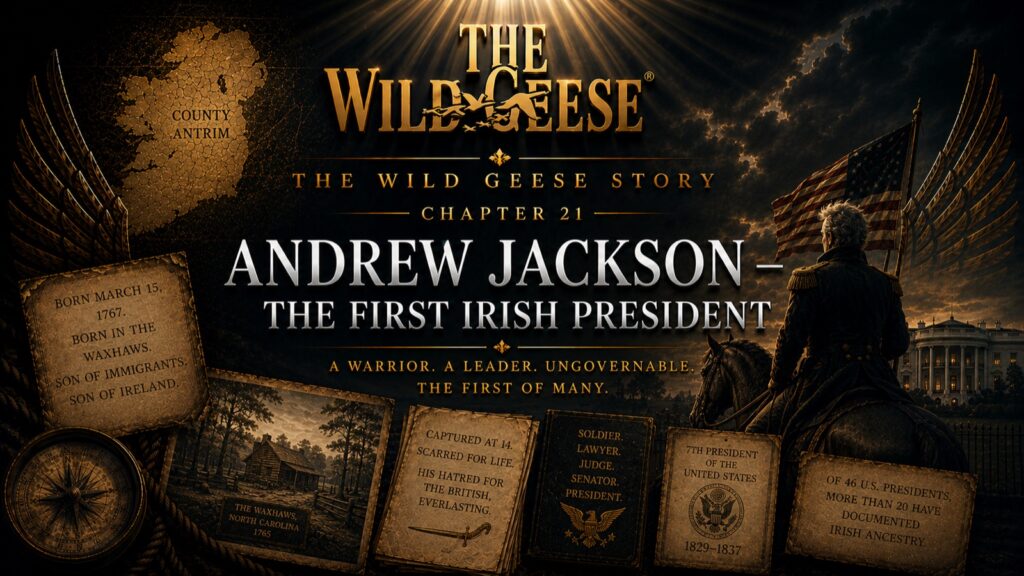
Andrew Jackson, son of County Antrim emigrants, was the seventh US President and the first of Irish descent. Scarred at fourteen by a British sword for refusing to clean an officer’s boots, he was exactly as ungovernable as the situation required.
Chapter 20: Bram Stoker and the Gothic Imagination
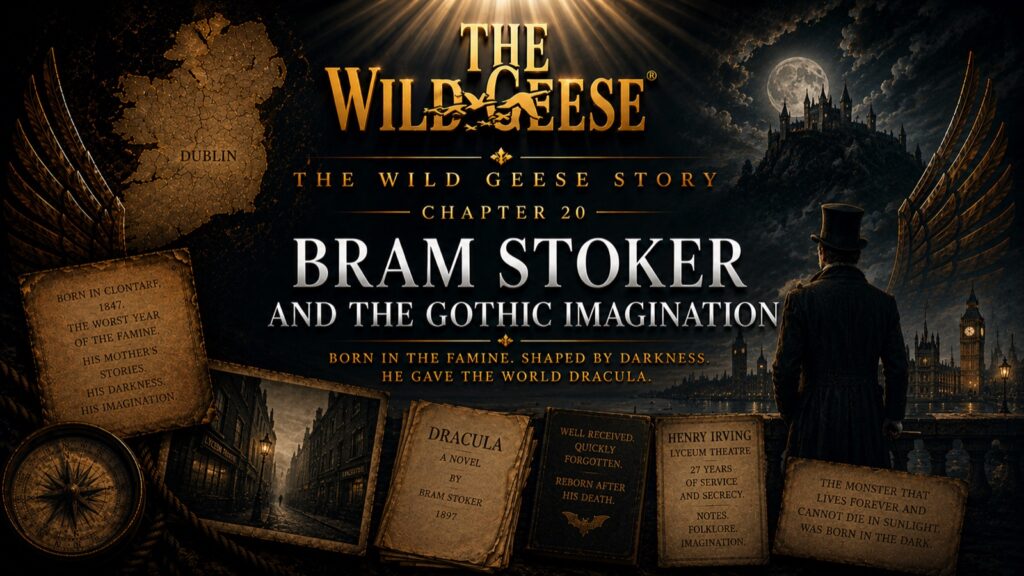
Bram Stoker spent his childhood bedridden in famine-era Dublin, listening to his mother’s stories of cholera and mass graves. Out of that darkness he built Dracula — quickly forgotten, then the foundation of modern horror.
Chapter 19: The Irish in Australia — Convicts Who Built a Nation
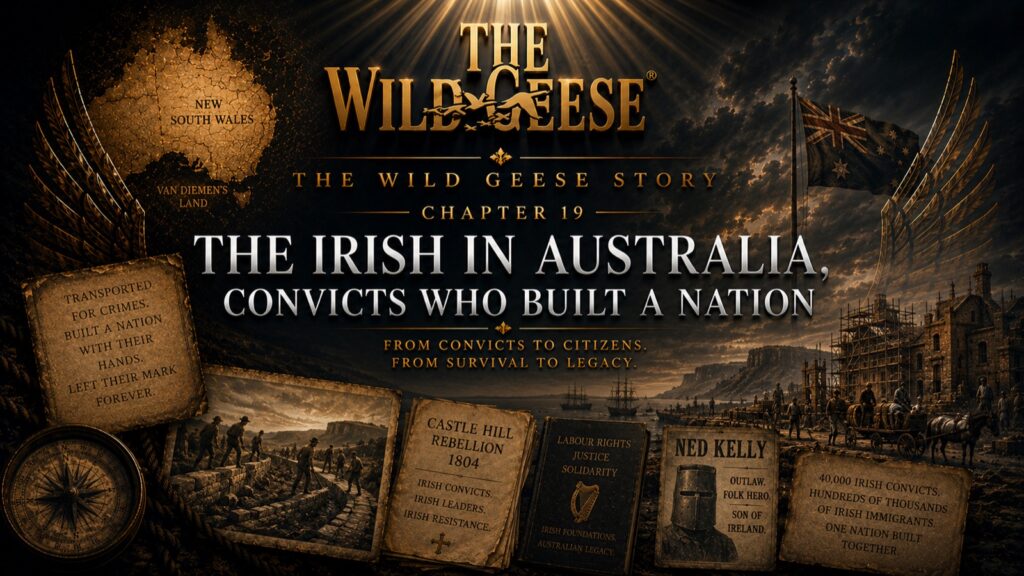
From the convicts of the First Fleet to Ned Kelly, the Irish in Australia arrived in chains and built a nation — its roads, its farms, its labour movement, and a tradition of resistance that went underground and survived.
Chapter 18: Nellie Cashman, the Angel of the Camps
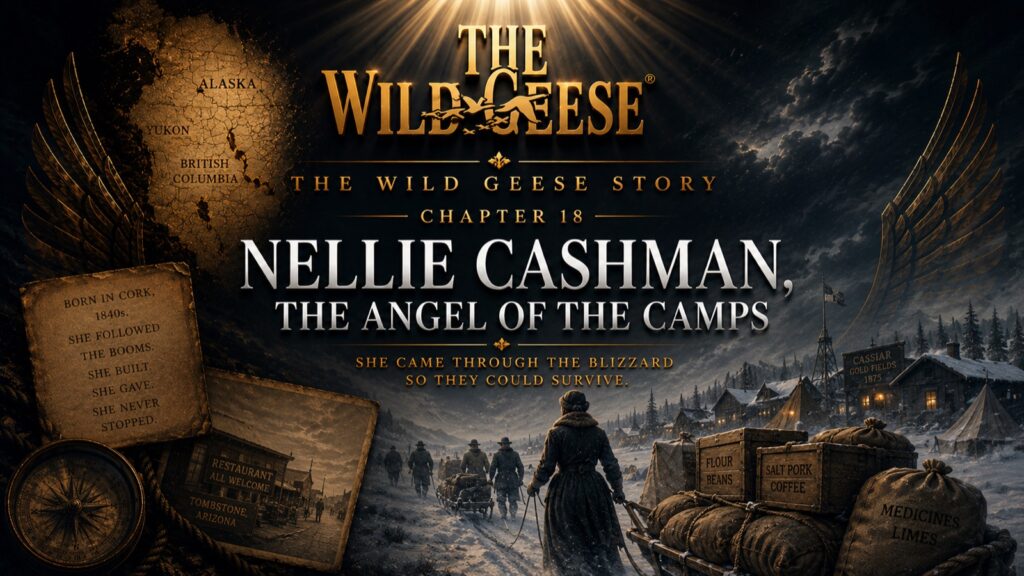
In 1875 a thirty-year-old Cork-born woman hauled fifteen hundred pounds of supplies through a twenty-two-day blizzard to save snowbound miners. They called Nellie Cashman the Angel of the Camps, and for once the name was not an exaggeration.
Chapter 17: Samuel Beckett and the Art of Continuing
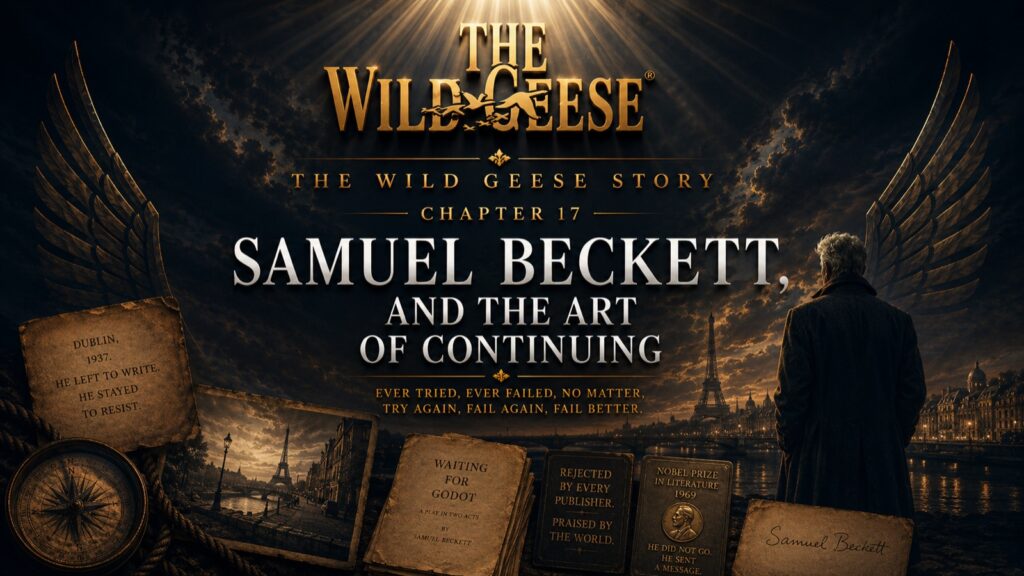
Samuel Beckett left Dublin in 1937, joined the French Resistance, and wrote Waiting for Godot — rejected by every publisher before it became the most discussed play of its decade. Ever tried, ever failed, no matter. He lived it.
Chapter 16: The Legal War — Andre and Mairade vs. Pernod Ricard
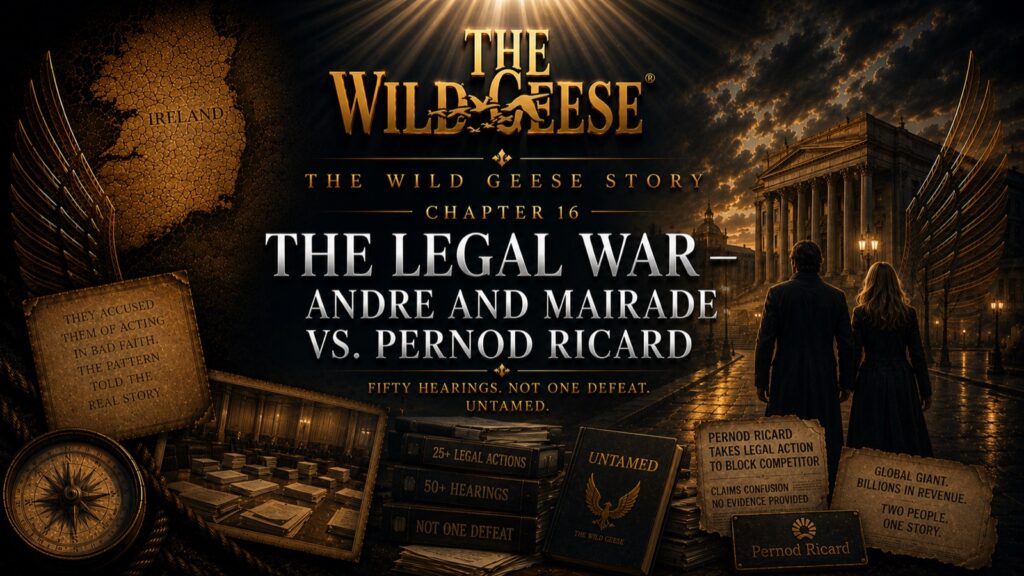
After The Wild Geese launched, Pernod Ricard filed more than twenty-five legal actions and over fifty hearings against Andre and Mairade — two people against the second largest drinks company in the world. Not one defeat. That is the origin of UNTAMED.
Chapter 15: F. Scott Fitzgerald and the Irish-American Dream
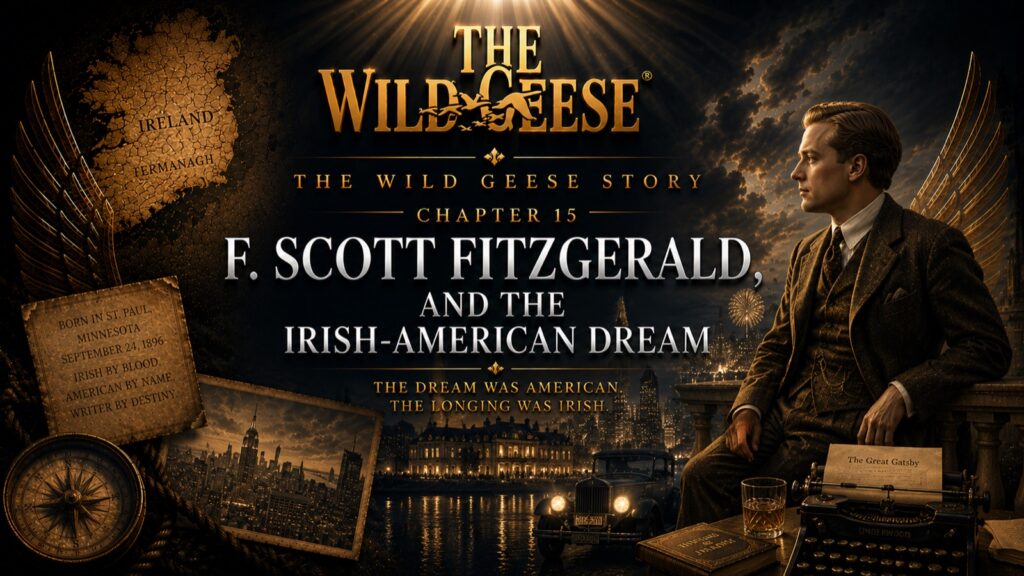
Francis Scott Key Fitzgerald — born 1896 to an Irish-American family with roots in County Fermanagh — spent his life trying to reconcile what America promised the Irish with what it delivered. He died in debt in 1940. Within a decade he was regarded as one of the finest novelists America ever produced.
